Solar lights should offer a soft, useful glow after sunset, yet many become weak within weeks. Dirt, shade, tired batteries, and poor placement often share the blame. Learning how to make solar lights brighter starts with checking simple causes before buying new equipment.
This guide presents seven practical tips for improving brightness safely and realistically. You will learn how to clean the solar panel, reposition the light, and remove nearby shadows from walls, plants, or outdoor furniture. It also explains how battery age affects performance, why compatible rechargeable batteries matter, and how the lamp’s operating switch can reduce charging time. A clean panel can make a visible difference.
Small details matter.
The guide also considers LED condition, weather exposure, and realistic expectations. A compact garden light cannot illuminate a large pathway like a wired fixture. That limitation is easy to forget. Stronger brightness may require longer sunlight, not merely a new battery. In cloudy seasons, even a well-maintained light may shine for fewer hours.
For reliable results, inspect the panel during daylight and handle batteries according to the manufacturer’s instructions. Avoid mixing battery types, damaging seals, or forcing electrical parts open. These steps protect both the light and the person servicing it. Some advice may sound obvious, but outdoor equipment often fails through neglected basics. Testing one change at a time can reveal what actually works. Results will vary, and that is worth acknowledging.
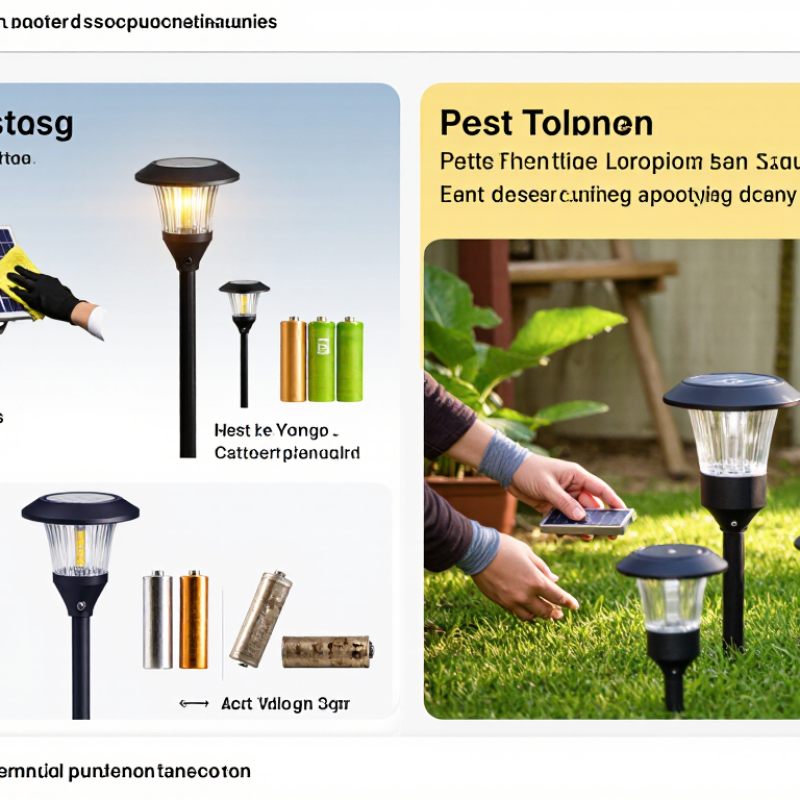
Solar lights do not create brightness directly from sunlight. Photovoltaic cells convert sunlight into electricity, while a battery powers the LED after dusk. Brightness depends on charging energy, battery voltage, LED efficiency, temperature, and lens design. The U.S. Department of Energy’s Solid-State Lighting reports show that modern LEDs can exceed 100 lumens per watt. However, complete fixtures usually perform below that figure. Dirt, shade, cloudy weather, and incorrect panel angles reduce stored energy. That matters. A lamp may look bright at sunset, then fade before midnight.
Seven practical adjustments can restore lost brightness. Clean the panel with a soft, damp cloth. Remove leaves and nearby objects that create shade. Set the panel toward the strongest daily sunlight, not toward decorative lighting. Check that the operating switch is fully on. Replace an aged battery with the correct voltage and chemistry. Inspect corrosion around contacts. Finally, clean the transparent lens and aim the lamp toward the target area. The IEA PVPS Trends in Photovoltaic Applications 2024 report confirms that solar output varies greatly by location and season, so winter performance needs realistic expectations.
I have sometimes blamed weak LEDs when the real problem was a shaded panel. That mistake is common. Avoid placing lights beneath dense branches or beside tall walls. Excessive brightness can also waste stored energy. A lower setting may last longer overnight. NREL field research commonly reports photovoltaic degradation near 0.5% annually, but batteries often deteriorate faster. Test one change at a time, record runtime, and question any improvement that lasts only one evening.
Solar-light brightness depends mainly on solar energy collected during the day, battery energy available at night, LED efficiency, optical design, and operating time. Use the following evidence-based checks to improve brightness without replacing the entire fixture.
| Tip | What to Do | Why Brightness Is Lost | Useful Measurement or Target | Expected Benefit | Important Limitation |
|---|---|---|---|---|---|
| 1Maximize Direct Sunlight | Place the solar panel where it receives unobstructed daylight. Remove nearby shade from walls, trees, roof edges, and fences. In the Northern Hemisphere, a generally south-facing orientation often receives strong exposure; adjust for local conditions. | Shade reduces the electrical energy produced by the photovoltaic panel. Even partial shade can affect panel output because connected solar cells may limit the current of the panel. | Aim for approximately 6–8 hours of direct sunlight when the product instructions recommend full-day charging. Avoid relying on bright indoor light or reflected daylight. | More stored energy can produce a brighter light and longer operating time after sunset. | Season, latitude, weather, panel angle, and installation direction all affect the actual result. |
| 2Clean the Solar Panel | Wipe the panel with a soft, damp microfiber cloth. Remove dust, pollen, bird droppings, leaves, and water spots. Dry it afterward so residue does not form a film. | Dirt and residue reduce the sunlight reaching the photovoltaic cells. The reduction varies substantially with the type, thickness, and coverage of the dirt. | Inspect the panel every 1–3 months, and more often in dusty, coastal, or pollen-heavy locations. | Restoring a visibly dirty panel can improve daily charging compared with leaving the surface covered. | Cleaning cannot compensate for deep shade, a damaged panel, a failed battery, or a defective charging circuit. |
| 3Check and Replace the Battery | Turn the light off, open the battery compartment, and check for corrosion, leakage, loose contacts, or incorrect polarity. Replace rechargeable cells only with the same chemistry, voltage, and compatible size specified by the manufacturer. | Rechargeable batteries gradually lose capacity through age, temperature exposure, and repeated charge cycles. A weak battery may make the LED dim quickly even when the panel is working. | Compare nighttime runtime with the original performance. A noticeable reduction after a full sunny-day charge is a strong sign that the battery needs testing or replacement. | A healthy battery can restore stored energy, brightness stability, and runtime. | Do not install ordinary non-rechargeable batteries in a circuit designed to charge batteries. Dispose of old cells responsibly. |
| 4Improve Panel Angle and Position | Adjust the panel so its surface receives sunlight as directly as practical during the strongest part of the day. Keep the panel free from obstructions and avoid placing it under the lamp head if the head casts a shadow. | A panel produces less power when sunlight strikes it at a shallow angle. Fixed panels also receive less useful energy when their orientation does not match the sun’s seasonal path. | Make small angle changes and compare charging performance over several similarly sunny days rather than judging from one evening. | Better alignment can increase daily harvested energy and reduce dimming late at night. | There is no single best angle for every location; a clear view of the sky is often more important than a precise angle. |
| 5Reduce Unnecessary Operating Time | Use a lower brightness mode, shorter timer, motion sensor, or dusk-to-dawn setting only when appropriate. Place continuously lit decorative lamps where maximum brightness is not essential. | The battery has a finite stored-energy capacity. Running the LED at a higher power or for more hours uses energy faster than the panel can replace it on short or cloudy days. | For a simple estimate: Energy used (Wh) ≈ LED power (W) × operating time (h). | Reducing operating time can preserve battery energy, allowing the light to remain brighter for the hours when it is most needed. | A lower setting may increase runtime but does not increase the LED’s maximum optical output. |
| 6Keep the LED Lens and Reflector Clear | Clean the transparent lens and reflector with a soft cloth. Remove insects, dirt, condensation, and deposits. Check that the lens is not yellowed, cracked, or clouded. | Light leaving the LED is reduced or scattered when the lens or reflector is dirty, frosted, scratched, or damaged. This lowers the useful light reaching the target area. | Inspect the lens whenever the light appears dim even though the panel and battery seem normal. Look for cloudiness, moisture, or visible discoloration. | Cleaning the optical path can improve perceived brightness without increasing electrical consumption. | A permanently yellowed or damaged lens may require replacement; polishing plastic can cause additional surface damage if done incorrectly. |
| 7Protect Performance in Cold and Wet Weather | Keep electrical connections dry and sealed. Install the unit where water does not pool, and avoid exposing the battery compartment to unnecessary cold. Follow the fixture’s outdoor protection instructions. | Cold temperatures can temporarily reduce battery voltage and usable capacity. Water ingress or corrosion can increase electrical resistance and damage the charging or LED circuit. | Compare performance on warm, dry nights with cold or wet nights. Check seals and contacts if brightness drops suddenly after rain or frost. | Dry, clean connections and moderate battery temperatures help maintain more consistent output and runtime. | Do not heat, puncture, open, or modify a rechargeable battery. Replace components that show swelling, leakage, or severe corrosion. |
Place its panel in direct sunlight for six to eight hours daily. Avoid porches, fences, branches, and glass. In the Northern Hemisphere, face it south. In the Southern Hemisphere, face it north.
Yes. Even a narrow branch shadow can reduce afternoon charging. Watch the light throughout one day. A bright spot at noon may become shaded later.
No. Tilt the panel slightly upward. Keep it above wet ground and facing open sky. Seasonal sunlight changes, so winter may require a different angle.
Wipe it every few weeks or at least monthly. Use a soft, damp cloth. Remove dust, pollen, leaves, and bird residue. Avoid abrasive cleaners.
The rechargeable battery may be weak or worn out. Use the correct battery type and voltage from the instructions. Never mix old and new batteries.
Look for swelling, leakage, rust, or unusual heat. Replace damaged batteries safely. A healthy replacement may improve brightness within one evening, but clouds can hide the change.
Yes. Turn the light off before inspection. Check for loose wires, green corrosion, cracked insulation, and moving connectors. Reconnect clean, dry contacts firmly.
Check the brightness mode, timer, and motion sensor range. Select the strongest practical setting for your location. A longer lighting period may reduce brightness later.
Yes. A nearby porch lamp may confuse the sensor. The solar light could switch off too early. Move one light several meters and compare it with an unchanged light.
Test the battery, panel, switch, and connections. I once blamed the panel too quickly; a loose connector caused the problem. If brightness stays poor, ask a qualified technician to inspect it.
If you are wondering how to make solar lights brighter, start by understanding how they collect, store, and use energy. Solar lights depend on direct sunlight, a clean solar panel, a healthy battery, and efficient electrical connections. Dust, shade, cloudy weather, aging batteries, or loose wiring can all reduce brightness. Cleaning the panel regularly with a soft, damp cloth helps it absorb more sunlight, while placing the light in an open area with maximum direct exposure improves daily charging.
You should also inspect and replace weak batteries when necessary, checking that the terminals and connections are clean and secure. Adjusting brightness, operating modes, or timer settings can help balance illumination and battery life. Regular maintenance, including cleaning the light cover and protecting the unit from moisture buildup, keeps performance consistent. With proper positioning, careful cleaning, reliable power storage, and suitable settings, solar lights can provide brighter and longer-lasting illumination.

 Sanitize Light