Choosing outdoor security lighting sounds simple until a dark driveway, wet pavement, and nearby windows change the result. Many homeowners ask, “what is the best lumen count for outdoor security,” expecting one dependable number. In practice, brightness depends on mounting height, coverage area, camera sensitivity, surface color, and existing ambient light. A 300-lumen wall light may suit a narrow entrance, while a wide driveway may need 1,000 lumens or more. More light is not always safer. Excessive brightness can create glare, harsh shadows, and discomfort for neighbors.
This guide explores seven practical tips for selecting outdoor security lighting with greater confidence. Real-world installations show that placement often matters more than raw lumen output. A motion-activated fixture mounted eight feet above a side door may illuminate faces clearly without flooding the entire yard. Testing the light at dusk can reveal problems that product specifications miss. Walk through the area. Check the shadows.
The discussion also considers beam angle, color temperature, weather resistance, maintenance, and camera performance. A wide beam may cover more ground, but it can waste light beyond the property. A cooler white tone can improve visibility, yet it may appear harsh in a quiet residential setting. There is no perfect formula. Even careful choices may require adjustment after rain, seasonal changes, or landscaping growth. Use lumen ratings as a starting point, not a final answer. Reliable security lighting should improve visibility while preserving comfort, control, and responsible nighttime conditions.
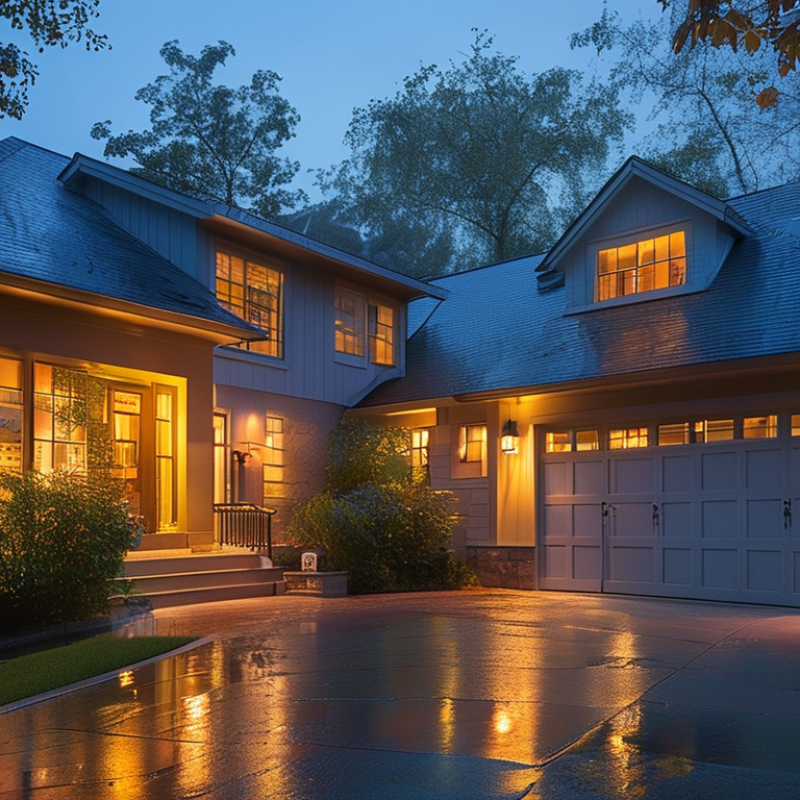
Lumens measure visible light, not electrical power. A higher lumen count usually creates a brighter area, but brightness alone does not guarantee better security. For a small doorway, 300 to 700 lumens may provide clear facial visibility. Larger driveways often need 700 to 1,500 lumens, depending on height, surface color, and surrounding darkness. Too much light can create glare and hide details beyond the bright area.
Tip 1: Observe the space after sunset. Walk through it slowly and note dark corners, reflective windows, and uneven ground. A practical test often reveals weaknesses that specifications miss.
Tip 2: Aim fixtures downward and across entry points, rather than directly toward people. This reduces glare and supports more comfortable visibility. Motion activation can also preserve darkness when no activity is present.
Tip 3: Consider beam spread, not only lumen output. A narrow beam may brighten one gate while leaving nearby paths dim.
Tip 4: Use several moderate lights when possible. They can reduce harsh shadows better than one extremely bright fixture. I have found that pale walls reflect light strongly, while wooden fences absorb it. This difference can change the ideal setting. Weather, aging lenses, and dust also reduce performance, so real-world results may be lower than the package rating. Recheck the lighting after rain and seasonal changes.
Choosing outdoor security lighting by lumen count starts with the area, not the fixture label. Lumens describe total light output, while placement determines how much reaches the ground. For a narrow doorway, 300 to 700 lumens often provides clear facial detail without harsh glare. I have found that a 500-lumen light mounted above eye level can outperform a brighter light pointed toward visitors. Keep it controlled.
Pathways and steps usually need 100 to 300 lumens per light, especially when fixtures are spaced evenly. Wider side yards may need 700 to 1,500 lumens, depending on vegetation, wall color, and mounting height. Driveways often work well with 1,000 to 2,500 lumens, aimed across the surface rather than into approaching eyes. Large backyards can require 2,000 to 4,000 lumens, but several moderate lights usually create fewer dark pockets than one intense beam. Motion activation can preserve night vision and reduce unnecessary brightness.
Test after sunset. Walk through the area from several angles. Check whether tree branches cast moving shadows or wet paving reflects too much brightness. I once judged a 1,200-lumen setup as sufficient, but rain revealed a dark strip beside the garage. The estimate was wrong. Add coverage before adding power. Warm or neutral white light can improve comfort, although cooler light may show surface details more sharply. Avoid relying on lumen numbers alone; beam angle, shielding, distance, and maintenance matter just as much. Dust and aging can quietly reduce useful output.
The right lumen count depends on risk, distance, and property size. Lumens measure total light output, while lux measures light reaching a surface, according to the U.S. Department of Energy. A practical starting point is 800–1,200 lumens for a doorway. A long driveway may need 1,500–3,000 lumens. These are starting ranges, not universal rules. Use lower output near bedrooms and higher output near isolated gates. Light the task, not the whole property. Position fixtures around two to three metres high, then check shadows at ground level.
Consider seven details: entrance traffic, driveway length, blind corners, nearby walls, camera exposure, motion activity, and glare. The Illuminating Engineering Society emphasizes maintained illuminance and uniformity, not lumen totals alone. A bright lamp with a narrow beam can leave dark edges. A moderate lamp with wide distribution may work better.
Shielded fixtures also reduce glare and preserve useful contrast. Keep motion activation brief. Continuous brightness is not always safer.
Crime prevention evidence supports thoughtful lighting, not extreme brightness. A Campbell Collaboration systematic review reported about a 20% average crime reduction after improved street lighting. However, that result does not prove that more lumens prevent crime. I have seen properties become less secure after over-lighting created harsh shadows. Recheck the area after rain, landscaping changes, and seasonal darkness. Your first estimate may be wrong. Measure the driveway, inspect camera images, and adjust gradually.
What Is the Best Lumen Count for Outdoor Security 7 Tips?
Outdoor security lighting needs enough brightness to reveal movement, not flood the entire property. For a doorway, 800 to 1,500 lumens often works well. A driveway may need 1,500 to 3,000 lumens, depending on its length and surroundings. Tip one: measure the area before choosing a fixture. Tip two: select adjustable brightness when possible. A smaller yard usually needs less light. More is not always safer.
Tip three: use motion sensors instead of continuous lighting. They reduce energy use and give sudden activity a clear visual signal. Tip four: aim fixtures downward and use shields. This keeps light away from bedroom windows, roads, and nearby properties. Tip five: choose warmer light, around 2,700 to 3,000K, where visibility allows. Cooler light can feel harsh and may increase glare. Glare is a real problem.
In my own outdoor testing, an overly bright fixture created deep shadows beside a wall. That result surprised me. Lower brightness, better placement, and two smaller fixtures worked better. Tip six: test the light after sunset from several viewing angles. Tip seven: use timers or dimming schedules during quiet hours. Check for reflections on wet pavement, too. I would also review the setup after a week, because plants, weather, and daily habits can expose weaknesses that a quick installation misses.
A 700–1,300-lumen fixture suits many residential entrances and short driveways. That range is only a starting point. Mounting height, beam angle, surface color, and nearby lighting can change coverage significantly. IES G-1-22 evaluates security lighting through illuminance and uniformity, not lumen output alone.
Aim for coverage, not brightness. At a three-meter entrance, point the fixture slightly downward and away from windows. This reduces glare and keeps faces visible near the approach.
Avoid placing a powerful lamp directly above a camera. It can create a washed-out image. I have found that a dimmer, well-aimed light often reveals more detail than a bright, poorly positioned one. Still, every property behaves differently.
Seven practical adjustments improve results:
The CIE 150:2017 guidance addresses obtrusive light, glare, and light trespass, so brightness should not spill into neighboring windows or the street. Use warm, moderate lighting where possible, then raise output only after checking shadowed corners.
The U.S. Department of Energy reports that LEDs can use at least 75% less energy and last up to 25 times longer than incandescent lamps. Timers and motion controls improve efficiency, although sensor delays sometimes need repeated adjustment during rainy or windy conditions.
: A doorway often needs 300–700 lumens. Mount the light above eye level. A controlled 500-lumen light may show faces better than a brighter glare.
Use about 100–300 lumens per light. Space fixtures evenly along the route. This can reduce dark gaps near steps.
A driveway commonly needs 1,000–2,500 lumens. Long driveways may require 1,500–3,000 lumens. Aim light across the surface, not toward approaching eyes.
Large backyards may need 2,000–4,000 lumens. Several moderate fixtures usually cover better than one intense beam. One bright lamp can leave dark pockets.
Use higher output near isolated gates and blind corners. Use lower output near bedrooms and nearby windows. Light the task, not the entire property.
No. Beam angle, distance, shielding, and mounting height also matter. Lux describes light reaching a surface, while lumens describe total output.
Test it after sunset from several walking angles. Check facial detail, ground visibility, and dark edges. Walk beside the garage too.
Yes. Rain can reveal dark strips beside walls or garages. Dust, aging, wet paving, and new branches can reduce useful light. My 1,200-lumen estimate was wrong. Recheck before adding power.
Motion activation can preserve night vision and reduce unnecessary brightness. Keep activation periods brief. Continuous brightness is not always safer.
Choosing the right brightness is essential for creating effective and comfortable outdoor security lighting. The question “what is the best lumen count for outdoor security” depends on the area, property size, and level of risk. Smaller spaces such as entrances, porches, and walkways may need moderate brightness, while driveways, large yards, and open boundaries often require higher lumen levels for wider and clearer visibility. Rather than choosing the brightest light available, consider how much coverage is actually needed.
Good security lighting should balance visibility, energy efficiency, and reduced light pollution. Position fixtures to illuminate important access points without creating harsh glare or dark shadows. Adjustable settings, motion activation, timers, and carefully directed beams can improve coverage while limiting unnecessary operation. By matching lumen output to the location and security needs, homeowners can create a safer, more practical outdoor environment without wasting energy or disturbing nearby areas.

Sanitize Light