How to Choose the Right Color Temperature for Landscape Lighting?

Time:2026-06-07 Author:Amelia
0%

Selecting the appropriate color temperature for landscape lighting is crucial for aesthetic appeal and functionality. It influences not only the ambiance of outdoor spaces but also how colors appear in different lighting conditions. According to the Illuminating Engineering Society, different temperatures can evoke varied emotions and perceptions in viewers. For instance, warmer colors (below 3000K) create a cozy atmosphere, while cooler tones (above 4000K) evoke a more vibrant and energetic feel.

Understanding how to choose the right color temperature for landscape lighting requires knowledge of your space’s purpose. Research shows that well-planned outdoor lighting can enhance property value by up to 20%. However, many homeowners overlook this detail, leading to less effective designs and unwanted atmospheres. Lighting shouldn’t merely serve as an accessory; it should enhance the natural beauty of the landscape.

Lighting decisions can seem overwhelming, especially with the wide range of color temperatures available. Many people do not realize how color temperature impacts visibility and mood. A study by the National Institute of Building Sciences highlights that poorly chosen lighting can result in unsatisfactory outdoor experiences. Reflecting on these factors is essential for creating a harmonious outdoor environment.
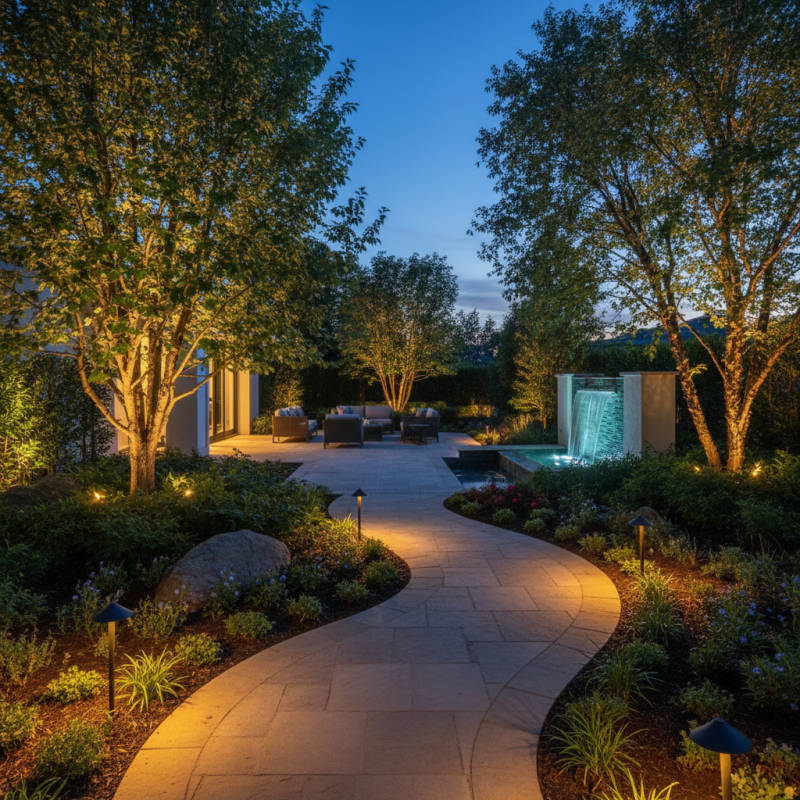
How to Choose the Right Color Temperature for Landscape Lighting?

Understanding Color Temperature: The Basics and Importance

When it comes to landscape lighting, color temperature plays a critical role. It is measured in Kelvin (K). Lower Kelvin values, like 2700K, give off a warm glow. This warmth is inviting and enhances garden features beautifully. Higher values, such as 5000K, produce a cooler, bluish light. This type of lighting can create a stark, modern atmosphere, but it can be harsh if overused.

Understanding color temperature helps you craft the desired ambience for your outdoor space. Soft, warm lighting often complements natural elements like wood and plants. It creates intimacy and relaxation. However, too much warmth can make a space feel dim. Balancing warmth and coolness is essential for setting the right mood.

Different areas may require varied color temperatures. Pathways may benefit from bright, cooler lights for visibility. Yet, a sitting area should embrace soft, warm hues. Experimentation is vital; lighting design may require adjustments. Reflect on how each color temperature affects your landscape and adjust accordingly. The right choice enhances not just beauty, but functionality.

The Kelvin Scale: Defining Color Temperature for Outdoor Lighting

When it comes to landscape lighting, understanding the Kelvin scale is key. This scale measures color temperature in degrees Kelvin (K), ranging from warm to cool tones. Typically, lower values (around 2700K) produce warm, inviting light, while higher values (over 5000K) offer a cooler, stark appearance. Industry reports indicate that lighting between 3000K and 4000K is often the optimal choice for outdoor spaces. This range strikes a balance between warmth and visibility, making it ideal for showcasing gardens or pathways.

Tips: Consider using warmer light for garden areas. It enhances comfort and creates an inviting atmosphere. For security lighting, cooler tones can improve visibility. They can illuminate paths effectively during night hours.

It's important to reflect on your specific needs. An open area may benefit from cooler lighting, which aids visibility, while intimate spaces thrive under warmer hues. The right choice can transform your landscape, but not every situation will fit neatly into predefined guidelines. Thus, experimentation with different temperatures can yield surprising results. Trust your instincts and make adjustments as needed.

How to Choose the Right Color Temperature for Landscape Lighting?

Color Temperature (Kelvin) Description Best Use Cases
2000K Warm, cozy, amber light Pathways, gardens, patios
3000K Soft white light Outdoor dining areas, soft lighting
4000K Neutral white light Illuminating details in landscapes, pathways
5000K Daylight white light Highlighting architectural features, security lighting
6000K Cool white to bluish light Modern outdoor areas, showcasing plants and water features

Recommended Color Temperatures for Different Landscape Features

When it comes to landscape lighting, choosing the right color temperature is crucial. For warm areas, consider a range of 2700K to 3000K. This soft, yellowish hue creates a cozy ambiance. It works well in flower beds or patios, making spaces inviting and relaxing. These warmer tones enhance the colors of plants, making blooms appear more vibrant.

In contrast, cooler temperatures around 4000K to 5000K are suitable for highlighting architectural features. This crisp light offers clarity and definition, making structures stand out. Use it for pathways and driveways to improve visibility. However, be cautious. Overuse can create a harsh atmosphere.

Finally, think about security lighting. A color temperature of around 5000K provides a daylight-like effect. This brightness can deter unwanted visitors. However, consider the impact on nearby wildlife. Striking the right balance is essential for functional yet aesthetically pleasing landscape lighting.

Impact of Color Temperature on Plant Growth and Health

Choosing the right color temperature for landscape lighting can greatly impact plant growth and health. Color temperature, measured in Kelvin (K), influences how plants grow. A color temperature of around 5000K to 6500K simulates natural daylight. This spectrum encourages photosynthesis, promoting healthy growth in most plants. According to studies by the American Society for Horticultural Science, plants exposed to higher color temperatures show improved growth rates and better flowering.

However, not all plants thrive under the same lighting conditions. Certain shade-loving plants do not respond well to intense lighting. If these plants are exposed to high color temperatures, they may exhibit signs of stress. Research published in the Journal of Plant Physiology indicates that color temperatures above 7000K can be detrimental to some species. Therefore, careful selection based on plant types is crucial.

Moreover, there is an ongoing debate among horticulturists about the ideal color temperature for specific plants. Some professionals argue that a warmer light (3000K to 4000K) can enhance the visual appeal of landscapes without sacrificing plant health. It’s essential to balance aesthetics with plant needs, leading to reflections on how we implement landscape lighting effectively. The nuances of light temperature present challenges, yet they also offer opportunities for innovation in outdoor gardening.

Impact of Color Temperature on Plant Growth and Health

This chart illustrates the impact of different color temperatures on plant growth rates. Based on the data, Neutral White (4000K) provides the optimal growth rate, while Cool White (5000K) and Warm White (3000K) also support significant growth. Soft White (2700K) appears to be less effective for plant health.

Safety and Aesthetic Considerations in Landscape Lighting Design

When designing landscape lighting, safety and aesthetics are crucial. The right color temperature can enhance visibility and create inviting spaces. Research indicates that color temperatures between 2700K and 3000K provide a warm ambiance. This warmth is often perceived as more inviting, which is essential for residential areas.

Using lower color temperatures, such as 3000K, can improve safety in outdoor spaces. A study by the Illuminating Engineering Society notes that warm light helps reduce glare. This makes it easier for people to navigate pathways and outdoor steps at night. Adequate lighting can decrease accidents by as much as 50%. However, overly bright lighting can lead to light pollution, affecting local wildlife and human well-being.

Aesthetic considerations should not be overlooked. Lighting should complement the natural landscape. Cooler temperatures, around 4000K, might work well for modern designs. Yet, they can feel harsh in a garden or natural setting. Balance is key. It's important to experiment with different temperatures. What feels right may vary from one space to another. Reflect on how your lighting choices impact both safety and the overall atmosphere.

FAQS

: What is the Kelvin scale used for in landscape lighting?

: The Kelvin scale measures color temperature, ranging from warm to cool tones in lighting.

What color temperature is best for creating a cozy outdoor space?

A temperature range of 2700K to 3000K creates a warm, inviting ambiance perfect for relaxation.

How can cooler lighting enhance security?

Cooler temperatures (around 5000K) improve visibility, making pathways safer during dark hours.

Why should I experiment with different color temperatures?

Different temperatures affect spaces uniquely. What works best may vary, so trust your instincts when adjusting lighting.

Can overly bright lighting be harmful?

Yes, bright lights can cause light pollution. This affects wildlife and disrupts the natural environment.

What color temperature is suitable for highlighting architectural features?

A range of 4000K to 5000K provides clarity and definition for structures, improving their visual impact.

How does warm lighting affect visibility?

Warm lighting (3000K) reduces glare, enhancing safety for navigating pathways and reducing accidents at night.

Is it important to consider aesthetics in landscape lighting?

Absolutely. Lighting should complement the natural landscape and create an inviting atmosphere.

What should I reflect on when choosing outdoor lighting?

Consider your specific needs, the space's function, and how the lighting impacts safety and ambiance.

How can warmer tones be beneficial for specific areas?

Warmer tones enhance the colors of plants, especially in flower beds, making them appear more vibrant and inviting.

Conclusion

Choosing the right color temperature for landscape lighting is crucial for enhancing outdoor spaces effectively. Understanding color temperature begins with the Kelvin scale, which helps define the warmness or coolness of light. Different landscape features, such as trees, pathways, and water elements, benefit from specific color temperatures that can enhance their appearance and contribute to the overall ambiance.

Moreover, the impact of color temperature extends to plant growth and health, as certain temperatures can influence how plants are perceived and their vitality at night. Additionally, safety and aesthetic considerations play a key role in landscape lighting design, ensuring that the chosen temperature not only highlights visual appeal but also maintains a secure environment. Therefore, knowing how to choose the right color temperature for landscape lighting is essential for creating a balanced and welcoming outdoor setting.

Amelia

Amelia

Amelia is a seasoned marketing professional with a wealth of expertise in our company’s core offerings. With an unwavering passion for driving growth and innovation, she plays a pivotal role in shaping our marketing strategies and enhancing brand visibility. A key aspect of her responsibilities......