Engineered for Commercial Longevity, Certified for Global Compliance
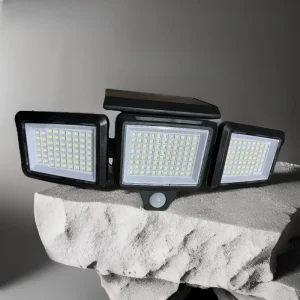
The global industrial landscape is undergoing an unprecedented energy transition. Volatile utility pricing, coupled with aggressive decarbonization directives (such as the European Green Deal and ESG mandates), has elevated industrial lighting from a routine operational expense to a strategic priority. Historically, heavy industry, logistics hubs, maritime docks, and civic spaces relied exclusively on grid-tied lighting. Today, high-efficacy solar industrial lighting represents a mature, decentralized alternative that eliminates operational energy expenditures, reduces infrastructure installation costs, and delivers measurable carbon reductions.
"The industrial solar lighting sector has moved beyond simple decorative applications. Modern configurations deploy multi-junction monocrystalline photovoltaics, high-performance LiFePO4 batteries, and smart MPPT (Maximum Power Point Tracking) controllers to guarantee structural resilience and uninterrupted performance in demanding environments."
The fundamental catalyst driving this shift is the cost optimization of solar components alongside substantial gains in LED luminous efficacy. Where traditional metal-halide and high-pressure sodium luminaires operated at efficiencies below 90 lm/W, contemporary industrial LED light engines achieve system-level efficiencies exceeding 150-180 lm/W. This massive gain directly impacts solar sizing: smaller photovoltaic panels and lighter battery capacities are now capable of providing continuous high-lumen outputs throughout the night, making solar lighting viable even in regions with low solar irradiance.
Decentralized power architectures operate independently of municipal utility grids, providing absolute immunity to power blackouts and rising electricity tariffs.
Eliminating underground trenching, concrete cabling containment, and complex electrical sub-stations reduces overall site preparation overhead by up to 60%.
Accelerates corporate compliance with environmental frameworks, positioning industrial hubs for carbon credit verification and clean energy subsidies.
Industrial procurement departments face high risk when selecting solar lighting partners. Unlike residential systems, industrial systems must perform reliably under severe operating conditions over multiple decades. The E-E-A-T (Experience, Expertise, Authoritativeness, Trustworthiness) criteria serve as our design and manufacturing framework, guaranteeing that our solutions meet strict structural, electrical, and thermal standards.
A CE Mark is not merely a label; it represents verified compliance with rigorous European Union safety, health, and environmental protection requirements. For solar industrial light exporters, this compliance encompasses three core directives:
"Through our testing protocols, our CE-certified solar lights undergo simulated thermal stress testing, vibration analysis mimicking heavy wind loads, and ingress protection (IP65 to IP67) verification to safeguard internal controllers against salt spray, high humidity, and dust storm penetration."
Industrial lighting requirements vary significantly based on local environments and operational demands. A standardized, one-size-fits-all lighting product often fails under high temperature variance, coastal salt fog, or severe mechanical vibrations. We engineer dedicated product groups targeting specific vertical markets and physical conditions.
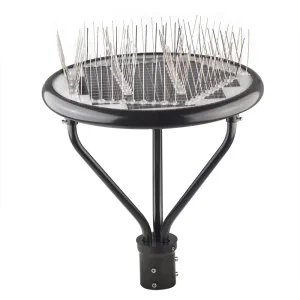
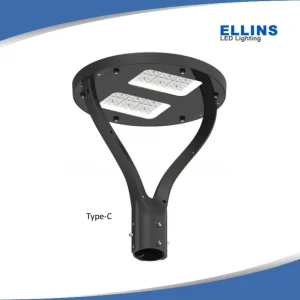
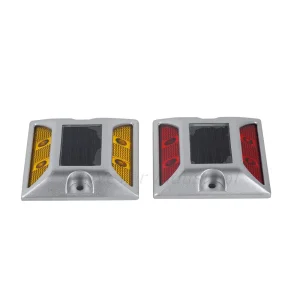
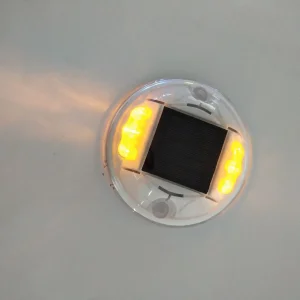
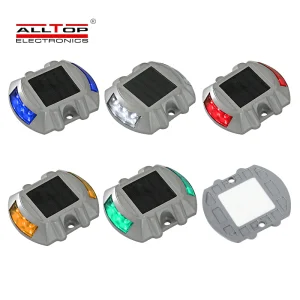
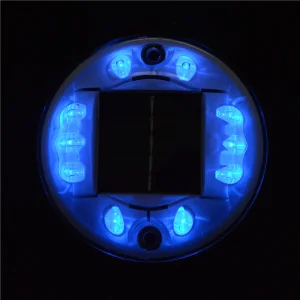
Coastal shipping ports, marine terminals, and dock systems represent some of the most corrosive environments in the world. High salt concentration in the atmosphere leads to rapid electrochemical corrosion in standard aluminum enclosures. Our solutions utilize marine-grade, salt-resistant materials combined with specialized surface passivation treatments. Product ranges like the Post Top Solar Lights 25W IP65 (3,750 Lumens) incorporate anti-bird mechanical designs and robust housing protection. For warning systems, our line of flashing road studs and solar-powered warning lights utilize highly focused optical arrays to cut through marine fog and guarantee safe navigation.
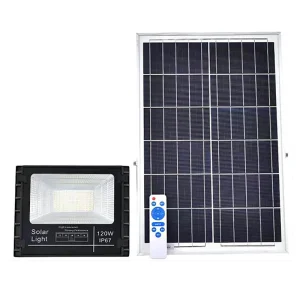
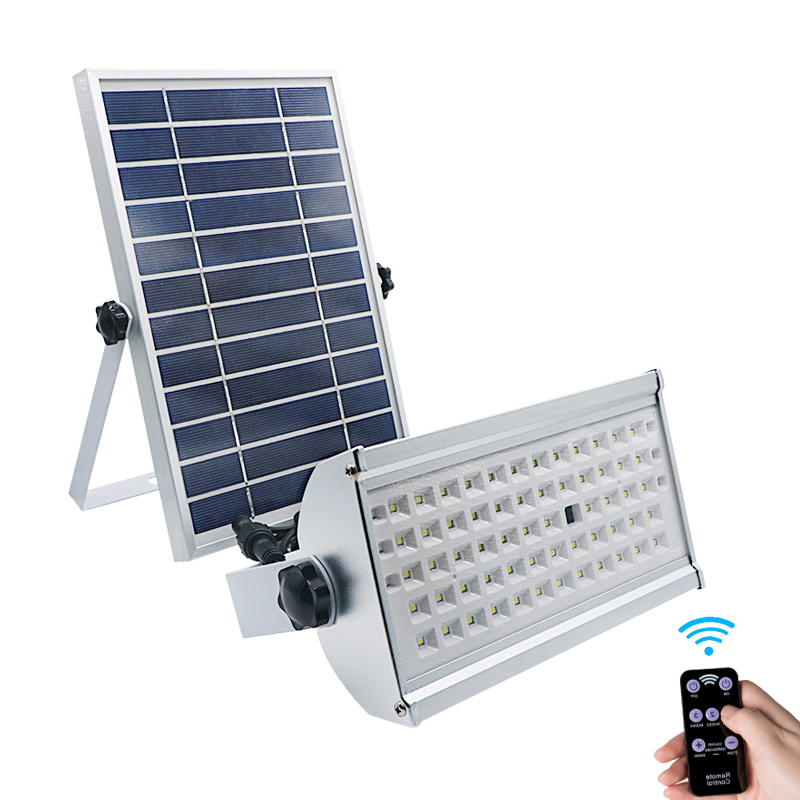
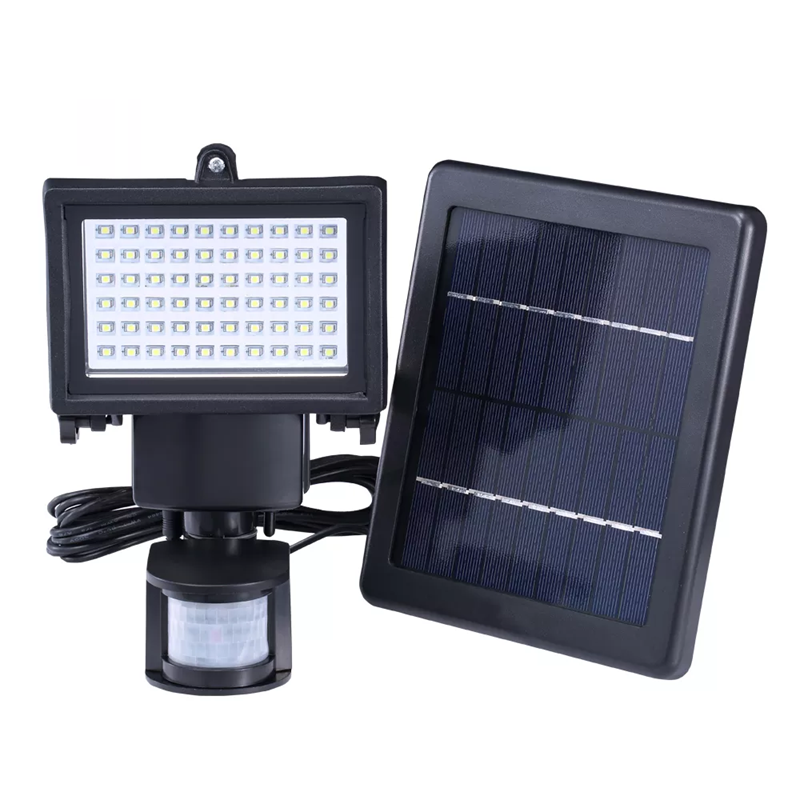
Large distribution centers, storage yards, and heavy-vehicle loading bays require uniform, high-intensity horizontal illumination to ensure operational safety during nocturnal shifts. For these expansive configurations, solar floodlights like our Stadium Ground Warehouse IP67 120W Commercial Spotlight provide directional illumination with high efficacy. Integrated radar movement sensors dynamically throttle output, running at 30% standby illumination during inactivity and transitioning to 100% full capacity upon detecting vehicle or pedestrian activity, ensuring efficient battery resource management.
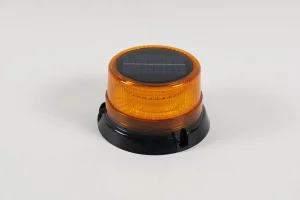
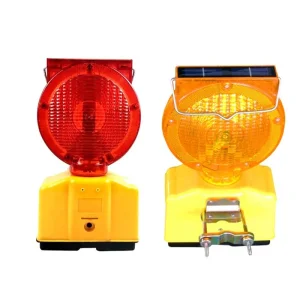
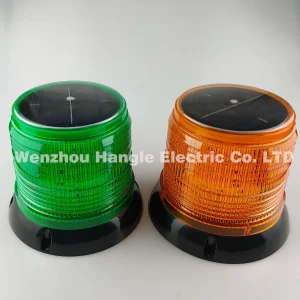
Temporary roadways, highway construction zones, and utility maintenance areas demand high-visibility warning lights to prevent accidents. These installations must be highly portable, rugged, and easily deployable. Products such as the Solar Strobe Warning Light with Magnetic Base and the LED Cone Warning Lamp Traffic Road Safety Barricade Light provide quick deployment capability. Strong magnetic mounts allow secure positioning on steel tower cranes, metal scaffolding, or commercial utility trucks without tools or wiring.
The industrial solar lighting industry is transitioning from a standalone hardware model to a highly integrated IoT (Internet of Things) ecosystem. As energy costs and sustainability targets continue to shape corporate strategies, the technical roadmap of solar systems focuses on three main pillars:
The transition from Lead-Acid and classic Lithium (NMC) cells to Lithium Iron Phosphate (LiFePO4) chemistry represents a major upgrade in safety and longevity. LiFePO4 cells support over 3,000 charge-discharge cycles at 80% Depth of Discharge (DoD), translating to an operational lifespan exceeding 8 to 10 years. Additionally, LiFePO4 offers superior thermal stability, significantly reducing the risks of thermal runaway under extreme high temperatures.
Modern solar street lights, such as the 5G Smart Solar Street Light Intelligent LED Garden Landscape Light, serve as active communication nodes. By integrating sub-GHz or cellular IoT (NB-IoT/LTE-M) modules directly into the solar controller, facility managers can monitor energy production, battery state of charge (SoC), and system alerts remotely in real-time. Mesh routing protocols enable adjacent lights to communicate with each other, dynamically passing detection signals along pathways.
Future developments will feature multi-junction solar panel integration, where PV elements are built directly into structural components of poles and bollards to increase charging surface area. Furthermore, AI-driven adaptive dimming algorithms will analyze historical regional weather patterns to optimize battery output during prolonged periods of cloud cover, guaranteeing uninterrupted illumination.
Established in 2009, Guangdong Sanitize Light Co., Ltd. is a leading manufacturer specializing in LED lighting products, with over a decade of hands-on industrial experience. We are an integrated enterprise combining research and development, high-capacity production, global sales, and customer service to provide energy-efficient lighting solutions.
Continuous investment in photovoltaic optimization and smart driver design.
Equipped with aging rooms, thermal chambers, and integrating spheres.
Our manufacturing facility is equipped with automated production lines, precision optical testing instruments, and professional thermal aging equipment to ensure stable product quality and high throughput efficiency. From strict raw material inspections to final quality assurance checks, our production processes align with international quality and safety standards.
Through our reliable quality control, competitive pricing, and flexible OEM/ODM services, our products are widely exported to South America, Europe, South Africa, North America, and Australia. We work closely with municipal engineering firms, industrial distributors, and utility developers, helping clients globally achieve energy savings and smart system integration.
We manage a robust raw material supply chain and coordinate with international shipping lines to ensure timely product deliveries. Our dedicated engineering and technical support teams are available to assist clients with design specifications, illumination calculations, and remote troubleshooting. We are committed to establishing long-term, mutually beneficial partnerships with industrial clients globally.
Expert Answers to Technical Inquiries Regarding Solar Lighting Infrastructures
Rugged Warning Equipment for Construction Zones, Ports, and Transportation Systems
 Sanitize Light