Explore our high-performance indoor and outdoor residential solar lights engineered for durability, efficiency, and aesthetics.
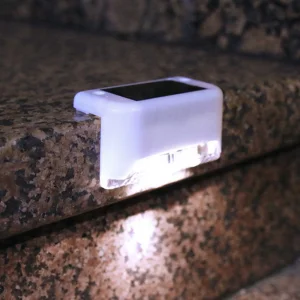
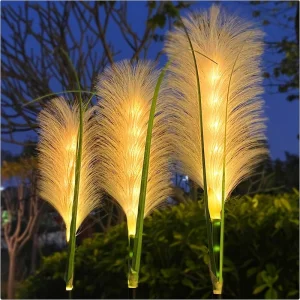
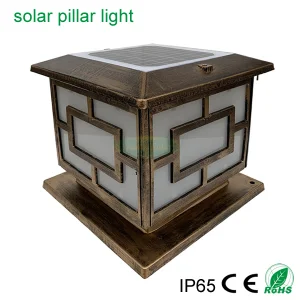
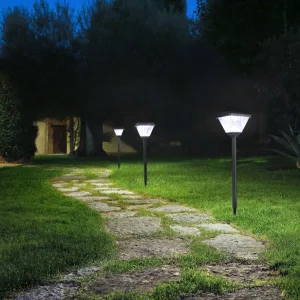
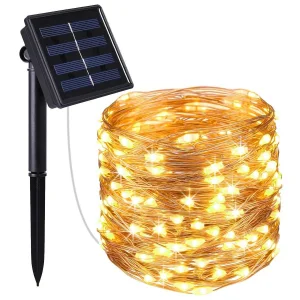
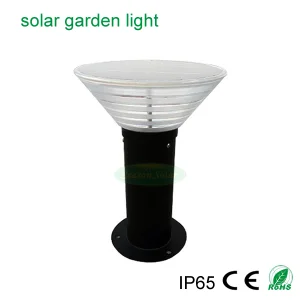
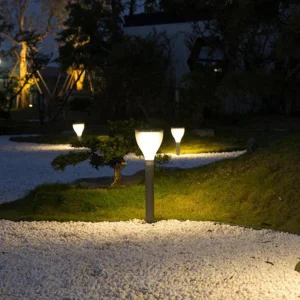
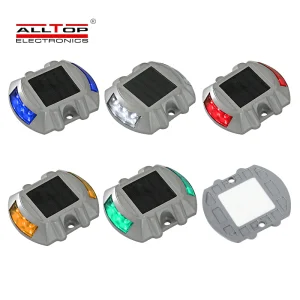
Understanding the shift from basic ambient yard fixtures to intelligent grid-free illumination.
The solar residential light market has undergone a dramatic transformation over the past decade. What once began as dim, decorative garden accents has evolved into high-performance, robust lighting systems capable of competing directly with traditional grid-connected equivalents. This change is driven by rapid technological advancements across three main pillars: photovoltaic efficiency, energy storage density, and smart lighting controls.
Modern residential fixtures utilize monocrystalline PV cells featuring conversion rates exceeding 22%. This ensures rapid charging even during overcast winter conditions, addressing a historical pain point of solar products.
By leveraging Lithium Iron Phosphate (LiFePO4) chemistries alongside micro-controller units (MCU), modern solar lights optimize discharge pathways, achieving over 2,000 thermal cycles with deep discharge protection.
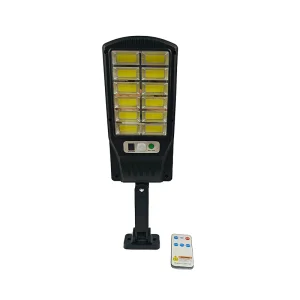
Dynamic radar sensor tech and smart dimming profiles conserve battery life by lowering lumens to 20% during periods of inactivity and ramping to full brightness upon detecting motion.
Modern B2B search intent has shifted away from simply finding "cheap solar lights." Importers, municipal purchasers, and distributors are increasingly searching for products with specific thermal operating thresholds, battery retention ratings, and strict IP65-IP67 ingress ratings. Manufacturers that fail to provide high-resolution technical specifications are dropping down the Google SERPs.
How international trade variables, environmental compliance, and regional standards shape the procurement matrix.
For procurement officers targeting residential light factories, global business requirements differ drastically based on geographical destination. In Europe, strict conformity with the CE marking, RoHS directive, and the Ecodesign Directive is non-negotiable. Importers are legally liable for the carbon and chemical footprint of imported electronics. Contrastingly, in North America, suppliers prioritize UL list compliance, FCC certification (for smart motion controllers), and DLC compliance for utility rebate eligibility.
| Target Region | Primary Compliance Focus | Critical Technical Requirement | Common Residential Scenario |
|---|---|---|---|
| Europe (EU) | CE, RoHS, ErP Directive | Recyclable design, low cadmium, replaceable light sources | Cozy garden decorative paths, energy-saving balcony lamps |
| North America | UL, FCC Part 15, Energy Star | RF shielding, electrical insulation, high-lumen density | Perimeter fence security, broad driveway illumination |
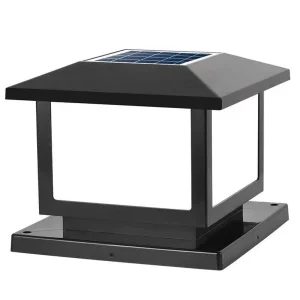
| Australia & NZ | SAA, C-Tick, IP67 Waterproofing | UV-stabilized ABS plastics, extreme heat performance | Post top entry gates, remote pathway markings |
| South America / South Africa | Local custom approvals, IEC Standards | Extended battery reserve days, theft prevention systems | Load shedding alternative light, public space security |
Understanding these variables changes how B2B transactions are negotiated. A premium factory like Guangdong Sanitize Light Co., Ltd. mitigates these friction points by maintaining a comprehensive array of international product safety and environmental certifications. Consequently, this drastically shortens import timelines, customs clearance cycles, and down-funnel distribution delays.
Founded in 2009, Guangdong Sanitize Light Co., Ltd. is a professional manufacturer specializing in LED lighting products, with over a decade of experience in the industry. As a comprehensive enterprise integrating research and development, production, sales, and customer service, we are dedicated to delivering innovative, durable, and energy-efficient lighting solutions to customers worldwide.
Our expansive product portfolio spans a complete range of LED lighting applications for both indoor and outdoor residential environments. Beyond our core portfolio of LED solar lights, LED strip lights, LED tubes, panel lights, and street lights, we actively invest in smart lighting systems and environmentally friendly solutions to satisfy the growing global need for sustainability, energy conservation, and intelligent management.
"From raw material sourcing to finished product delivery, every step is strictly controlled under rigorous quality management standards, ensuring stable product quality and high production efficiency."
Leveraging high-tech automation, vertical integration, and advanced logistics to secure global trade superiority.
In the competitive arena of solar residential lighting, China's modern manufacturing sector has transitioned away from low-cost manual assembly toward high-tech automated plants. By leveraging automated surface-mount technology (SMT) lines, high-precision injection molding machines, and robotic assembly stations, manufacturers achieve remarkable consistency. Precision testing instruments, such as integrating spheres and computerized aging chambers, guarantee that each batch meets tight electrical tolerances.
This vertical integration enables factories to pivot swiftly between custom OEM designs and ODM modifications. For global distributors, this capability translates to shorter lead times, highly competitive price-to-quality ratios, and a resilient supply chain that cushions against shipping fluctuations.
How industry leaders evaluate and select manufacturing partners for solar light distribution.
Conducting a factory audit in China’s manufacturing hubs requires an evaluation matrix that goes beyond superficial pricing. An expert SEO analyst and procurement officer looks for deep operational indicators that signify professional capacity, regulatory adherence, and engineering excellence.
Look for factories that host internal testing equipment, including integrating spheres, IPX5/6/7 water ingress simulation chambers, salt spray testers (for coastal corrosion verification), and spectroradiometers.
Top-tier factories trace every electronic batch, from raw LED chips (like Epistar or Cree) and monocrystalline cells to the LiFePO4 cells. This traceability limits product recalls and field failures.
High-performing partners easily adjust battery sizes, panel angles, and structural designs to suit target markets. This flexibility is vital when adapting designs for diverse environments.
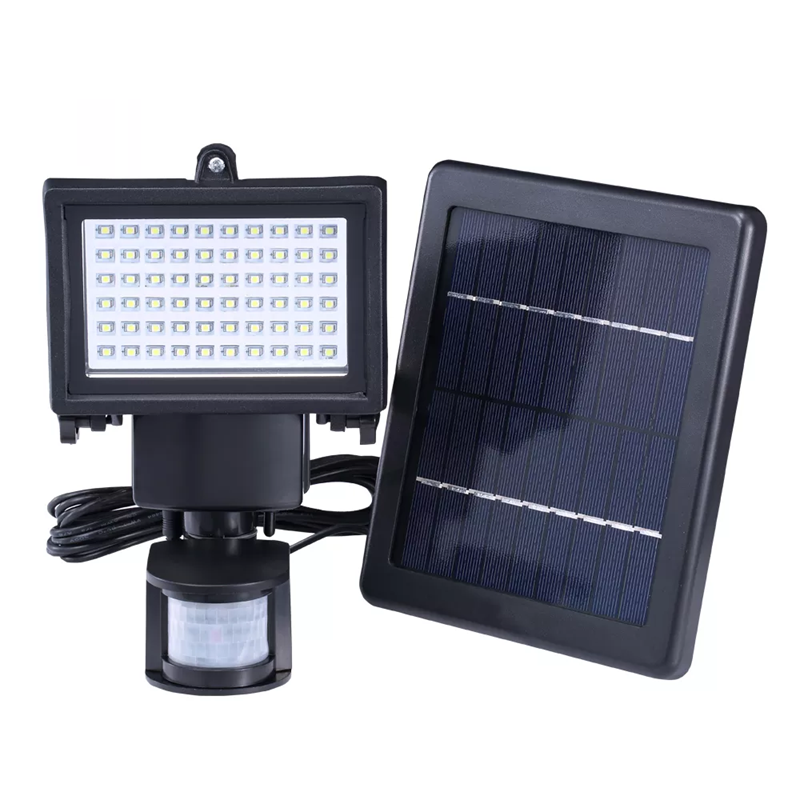
For distributors who require reliability under tough environmental conditions, selecting the right supplier is the difference between a high-margin product line and a customer service nightmare. Guangdong Sanitize Light Co., Ltd. addresses these challenges directly. They offer a strong R&D team and robust testing routines, keeping failure rates below 0.3% over multi-year deployments.
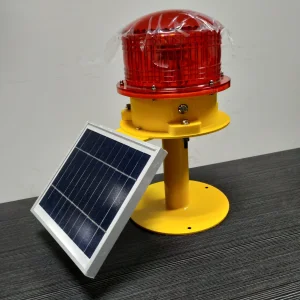
Whether sourcing pathways, ground spikes, warning systems, or decorative wall lights, buyers require products that function reliably throughout winters, monsoons, and extreme summer temperatures.
Tailoring PV power and battery capacities to specific structural environments and performance demands.
Requires warm, diffuse lighting (2700K - 3000K) to create an inviting atmosphere. Needs IP65 protection, automatic dust-sensing switches, and a compact design that blends with modern garden architecture.
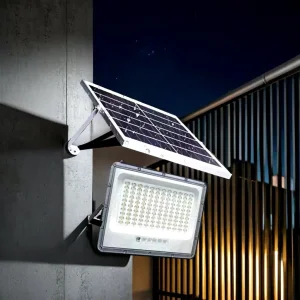
Requires high-performance PIR motion sensors and high-lumen output (800 - 1500 lumens). These systems need larger LiFePO4 batteries to sustain emergency lighting over consecutive rainy days.
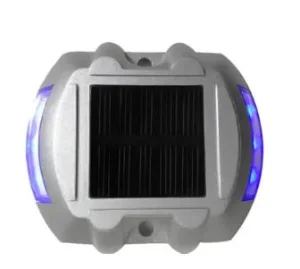
Requires highly visible warning lights, IP68 aluminum road studs, and solar flashing strobes. These fixtures must withstand heavy physical weight and provide visibility during fog or heavy rain.
Addressing direct technical queries from engineers, B2B procurement managers, and distributors.
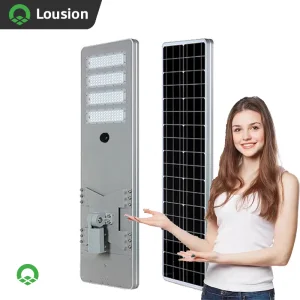
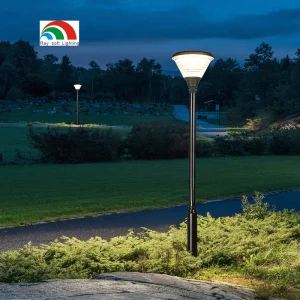
Explore our line of smart, motion-activated, and high-intensity safety solar lights designed for residential and light commercial use.
 Sanitize Light