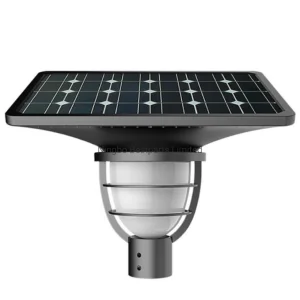
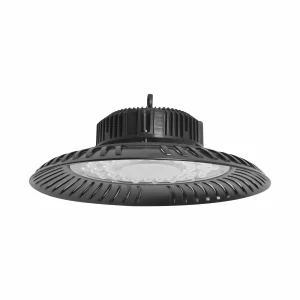
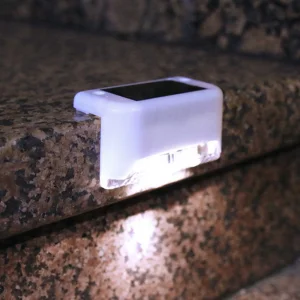
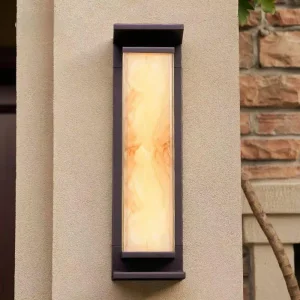
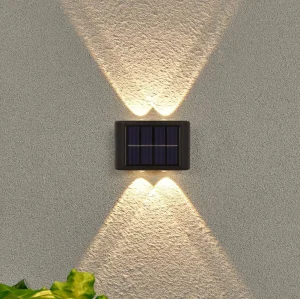
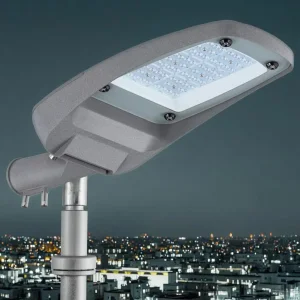
As municipalities and enterprise-level developers accelerate decarbonization efforts, utility-grade solar road lights have evolved from simple off-grid lighting features to highly engineered infrastructure assets. Evaluating a qualified exporter requires analyzing technical thresholds, supply chain reliability, and global regulatory compliance.
For decades, Guangdong Sanitize Light Co., Ltd. (founded in 2009) has anchored its operations as a premium manufacturer specializing in highly durable LED lighting systems. By bridging pioneering optical design with robust, weatherproof solar components, we ensure that modern roadways, smart pathways, and municipal parks remain illuminated under the most challenging environmental conditions.
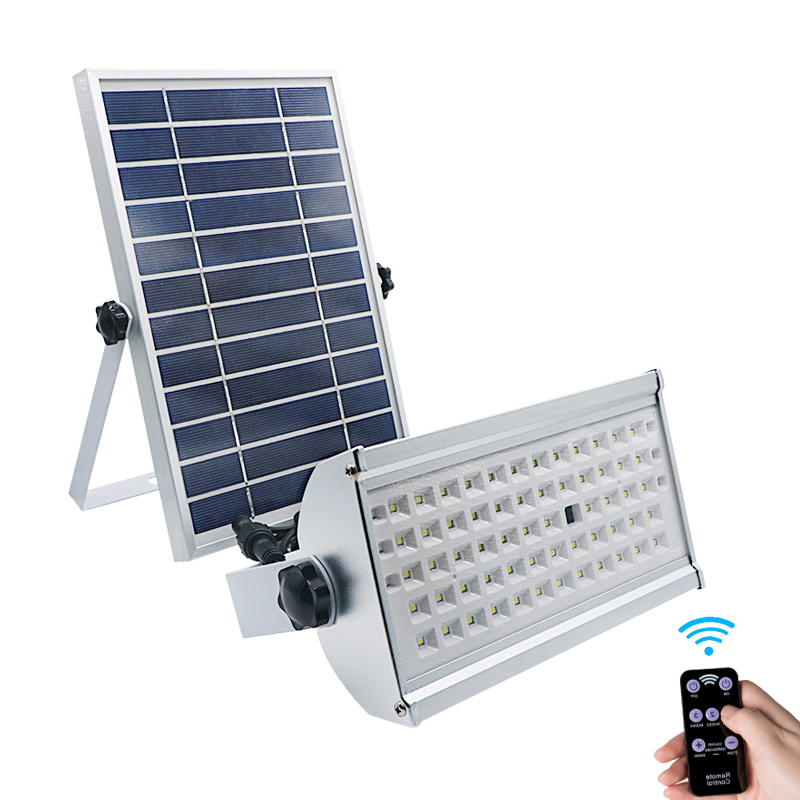
Modern solar street and road lights demand premium components: high-conversion Monocrystalline silicon photovoltaic panels, long-lifecycle Lithium Iron Phosphate (LiFePO4) energy cells, and high-lumen density LED arrays. Our internal testing laboratory subjects each unit to rigorous thermal, salt-spray, and optical trials to guarantee performance in intense temperatures.
By leveraging advanced MPPT controller designs alongside Microwave Radar sensors, our solar road light solutions dynamic-adjust energy output. On-demand dimming algorithms ensure battery preservation during prolonged monsoon seasons or overcast winters, solving the historical weakness of off-grid solar deployments.
From customizable structural poles to variable color temperatures (CCT) and custom distribution optics (Type II/Type III beam profiles), our production lines adapt seamlessly. This agile manufacturing process meets the design guidelines mandated by municipalities and commercial developers globally.
Guangdong acts as the epicenter of LED and optoelectronic sourcing globally. Operating in this hub, Guangdong Sanitize Light Co., Ltd. integrates materials procurement, mechanical extrusion, assembly, and automated aging testing under one unified footprint, allowing us to offer highly competitive pricing structures.
We configure products to align with regulatory demands. Whether it is CE, RoHS, IP65/IP66 ingress protection testing, or UL/SAA specifications, our engineering team manages structural and electronic modifications to ensure zero roadblocks during international customs clearance.
We work in tandem with shipping agents to ensure lithium-battery compliant shipments by sea or air. In addition, our documentation team handles full compliance certification (UN38.3, MSDS) for easy transport, safeguarding your project schedules from delays.
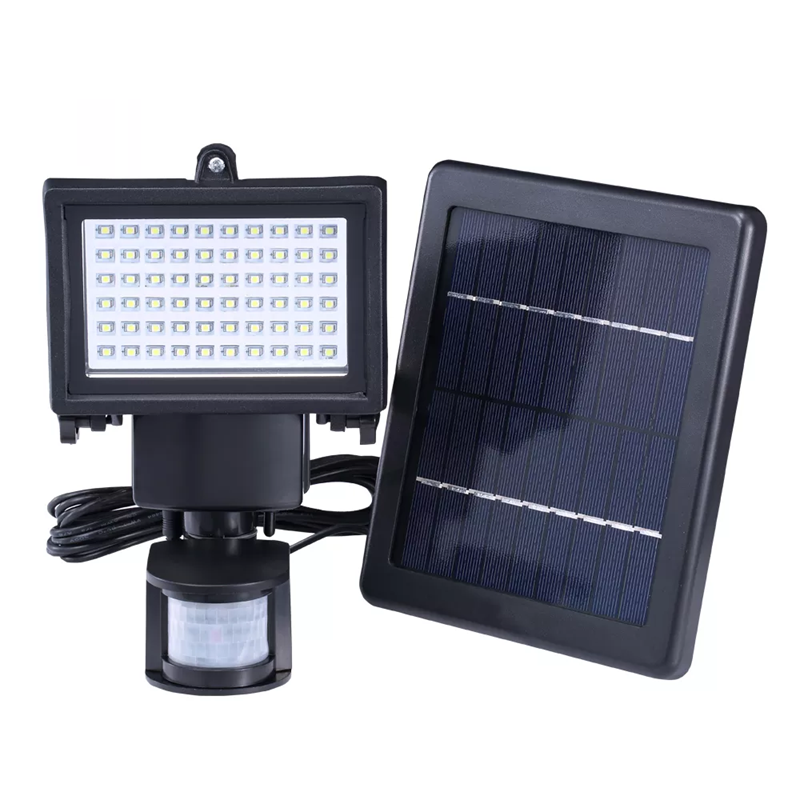
When engineering firms and municipal procurers evaluate solar road lighting systems, focusing solely on unit costs introduces significant long-term structural risks. True return on investment (ROI) depends on total system efficiency, battery life degradation rates, and maintenance-free intervals. Selecting the appropriate solar roadway solution requires evaluating three core areas:
Modern off-grid lights must convert ambient daylight under suboptimal conditions (such as persistent cloud cover). Monocrystalline solar panels achieve efficiencies exceeding 21%, a major improvement over older polycrystalline variations. Exporters must provide mounting brackets that support directional tilt adjustments, optimizing sunlight collection according to geographical latitudes.
Batteries are the primary failure point in off-grid solar equipment. Traditional Lead-acid or standard Lithium-ion chemistries struggle with the extreme thermal environments found in external lighting fixtures. Guangdong Sanitize Light utilizes heavy-duty LiFePO4 battery technology, delivering over 2,000 charge cycles at 80% depth of discharge (DoD) and ensuring a functional lifespan of more than five years.
Optimizing illumination distribution is critical for avoiding light pollution while meeting roadway safety requirements. Through asymmetrical lenses, light output is directed onto the pavement rather than dispersing into the upper atmosphere. Integrating intelligent power management (e.g., dimming down during quiet morning hours or utilizing microwave radar sensors) extends battery runtime to cover up to 3 to 5 continuous rainy days.
 Sanitize Light