A paradigm shift in industrial plant operations, exploring energy self-sufficiency, ESG criteria, and the integration of next-generation solid-state LED fixtures.
In the contemporary manufacturing sector, operational efficiency is inextricably linked with environmental stewardship. The industrial shift toward solar-powered workshop lighting architectures represents more than a green transition; it is a tactical strategy to eliminate volatile energy costs, safeguard facilities against grid failures, and streamline regulatory compliance metrics (such as Scope 1 & 2 carbon emissions). Modern manufacturing workshops, assembly areas, and distribution depots feature extensive overhead structures perfectly situated to leverage off-grid photovoltaic (PV) setups, eliminating the intensive copper-cabling infrastructure typical of traditional line-voltage systems.
By transitioning to industrial-grade solar luminaires, global enterprises achieve total autonomy. These lighting solutions integrate ultra-high-efficiency monocrystalline solar panels with advanced lithium iron phosphate (LiFePO4) energy cells. Managed via sophisticated Maximum Power Point Tracking (MPPT) microcontrollers, they guarantee sustained, high-output industrial illumination even through consecutive days of overcast winter conditions. As a result, standard factories, agricultural hangars, and remote maintenance sites achieve reliable lighting without adding load to municipal power grids.
Engineered for endurance, featuring IP65 waterproof standards, long lifespan energy matrices, and micro-lens optical distributions.
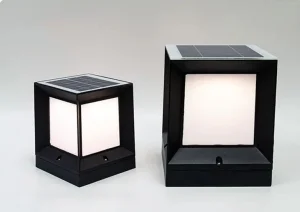
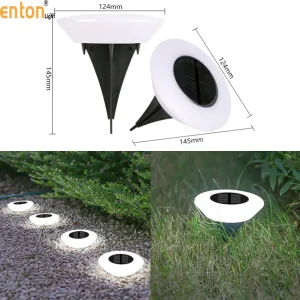
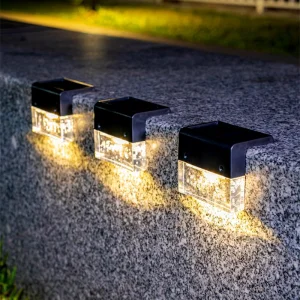
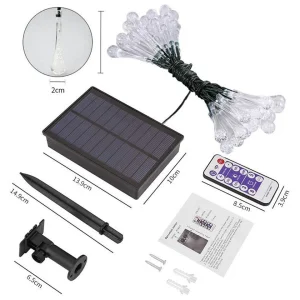
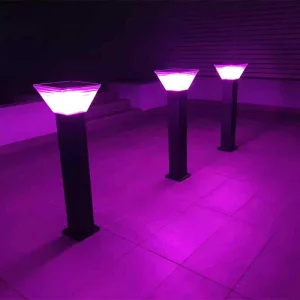
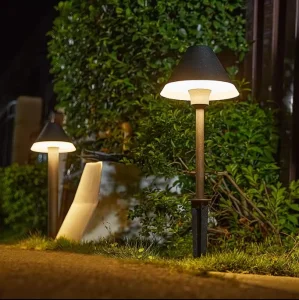
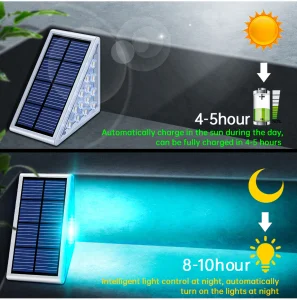
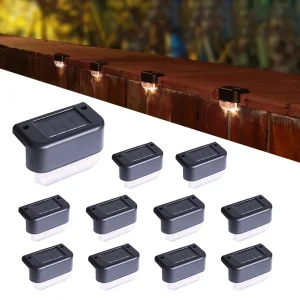
Evaluating the convergence of high-density battery chemistry, intelligent power management algorithms, and optics designed for high-bay environments.
Transitioning away from lead-acid and standard ternary lithium, industrial-grade luminaires increasingly utilize Lithium Iron Phosphate (LiFePO4). This chemistry supports up to 3,000 charge cycles at 80% Depth of Discharge (DoD). It operates reliably within a wide temperature envelope (-20°C to 65°C), preventing thermal runaway in uninsulated high-bay facilities.
Maximum Power Point Tracking (MPPT) micro-controllers optimize solar harvesting, achieving up to 98% efficiency compared to traditional PWM systems. When dynamic cloud cover occurs, these controllers adjust tracking thresholds in milliseconds, ensuring maximum energy input to maintain continuous night operations.
To balance high lumen output with battery conservation, modern workshop systems combine radar motion sensing with smart dimming profiles. Industrial high bays run at low standby levels (e.g., 20% output) when empty and scale up to 100% active illumination the moment personnel or forklift traffic is detected.
How specialized regional requirements and environmental microclimates dictate system specifications across globally localized industrial sites.
In high-temperature environments like Sub-Saharan Africa or the Middle East, solar light components face intense heat stress. The main challenges are battery degradation and dust build-up on panels. Systems in these regions require high-grade monocrystalline panels treated with anti-soiling coatings, alongside heat-insulated battery chambers with active thermal protection to prevent thermal degradation.
In Northern Europe, Canada, and the US Northeast, short winter daylight hours and snow load present significant challenges. Fixtures must feature steep installation angles (45° to 60°) to naturally shed snow, paired with oversized battery banks that support 3 to 5 days of autonomous operation during periods of low sunlight.
Coastal shipyards, tropical processing zones, and offshore storage areas require corrosion resistance. Fixtures must feature IP66/IP67 ingress ratings, marine-grade powder-coated aluminum, and 316 stainless-steel brackets to prevent structural and electrical failure caused by salt spray and high humidity.
A deep dive into upcoming changes in industrial solar lighting, focusing on energy capture efficiency, IoT connectivity, and materials science.
Solar workshop lighting has evolved beyond simple standalone fixtures into highly integrated smart devices. The next phase of development focuses on incorporating Perovskite-silicon tandem solar cells, which aim to push panel conversion efficiency beyond 28%. This leap in performance will enable smaller panel footprints while delivering the high electrical current needed for intense, long-duration industrial tasks.
Simultaneously, the industry is transitioning to unified smart grids. By using IoT nodes like LoRaWAN and Zigbee, facility engineers can monitor each fixture's performance via central dashboards. Real-time battery diagnostic data, solar collection statistics, and LED array temperatures can be tracked to schedule preventive maintenance long before a system goes offline. This shifting paradigm guarantees operational uptime, positioning solar high-bays as a reliable asset for modern, smart manufacturing hubs.
How to correctly calculate system capacity, map illumination curves, and configure parameters for high-performing workshop designs.
Evaluate your target Lux levels at the floor surface (e.g., 300 Lux for general assembly) to determine the total required lumen output and wattage per fixture.
Size the integrated battery capacity to supply continuous operations during periods of minimal sunlight, ensuring reliable runtimes without grid power.
Match panel wattage to the battery bank, verifying the PV array can fully recharge the system even during winter sunlight conditions.
Use asymmetrical lens structures to distribute light evenly across the floor space, preventing harsh shadows in critical working zones.
Founded in 2009, Guangdong Sanitize Light Co., Ltd. is a professional manufacturer specializing in LED lighting products, with over a decade of experience in the industry. We are a comprehensive enterprise integrating research and development, production, sales, and customer service, dedicated to delivering innovative and energy-efficient lighting solutions to customers worldwide.
Our product portfolio covers a wide and complete range of LED lighting applications for both indoor and outdoor use. Our main products include LED solar lights, LED strip lights, LED tubes, LED panel lights, LED flood lights, LED street lights, LED high bay lights, and more. In addition, we actively develop smart lighting systems and environmentally friendly solutions to meet the growing global demand for sustainability, energy saving, and intelligent control.
With a strong and experienced R&D team, we continuously invest in technological innovation and product improvement. Our company is equipped with advanced automated production lines, precision testing instruments, and professional aging equipment, ensuring stable product quality and high production efficiency. From raw material sourcing to finished product delivery, every step is strictly controlled under rigorous quality management standards.
All of our products are designed to be safe, durable, and high-performing, complying with international quality and safety standards. Thanks to our reliable quality, competitive pricing, and flexible OEM/ODM services, our products have been widely exported to markets such as South America, Europe, South Africa, North America, and Australia, earning us an excellent reputation among global clients.
We pride ourselves on our efficient supply chain management, timely delivery, and comprehensive after-sales service system. Our professional sales and support teams are always ready to respond quickly to customer needs, providing tailored solutions and technical support to ensure maximum customer satisfaction.
Adhering to the core business philosophy of “Win-Win Cooperation,” Guangdong Sanitize Light Co., Ltd. is committed to establishing long-term and stable partnerships with customers around the world. We believe that trust, quality, and mutual benefit are the foundation of sustainable business growth.
We sincerely look forward to cooperating with you and becoming your reliable and trustworthy partner in the LED lighting industry. Let us work together to achieve mutual development and create a brighter, more energy-efficient future.
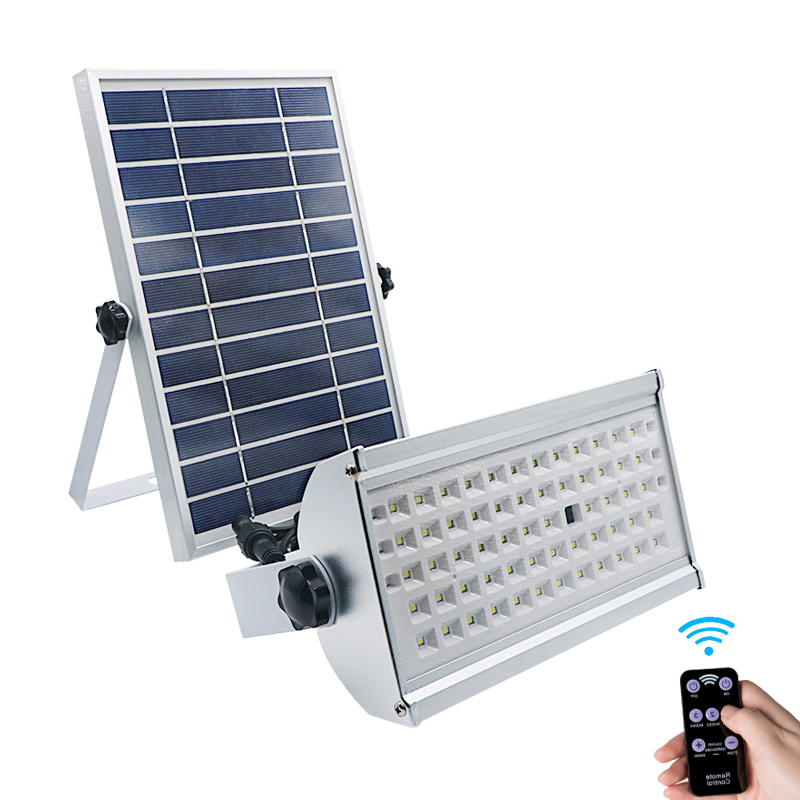
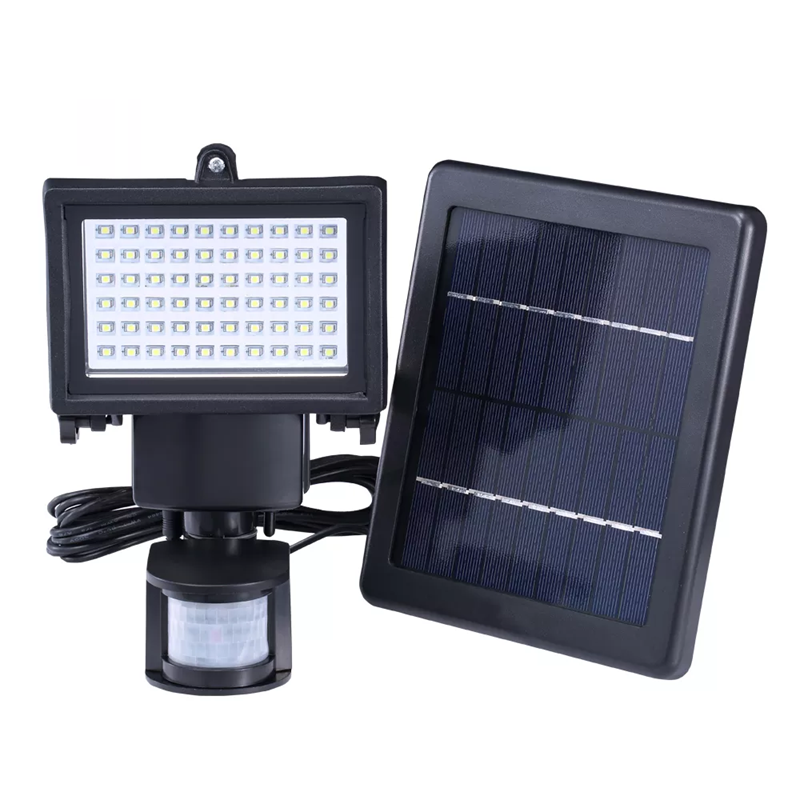
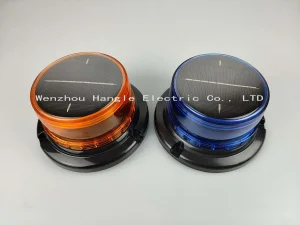
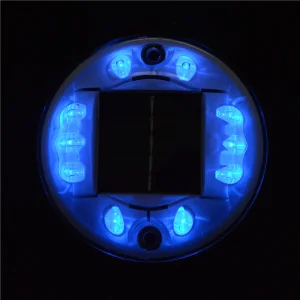
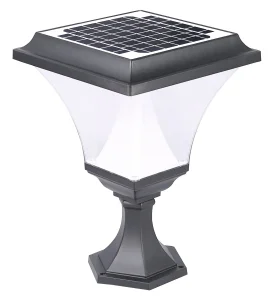
Continuing our high-performance line-up, featuring robust casing options, smart motion controls, and diverse styling profiles.
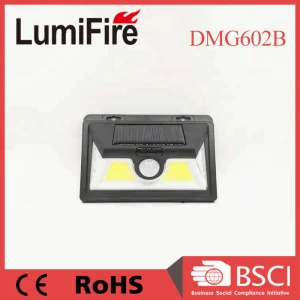
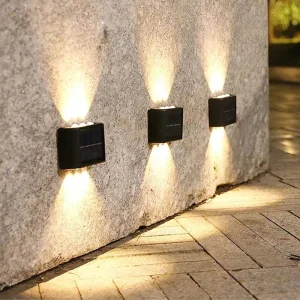
Addressing technical concerns, system integration queries, and procurement metrics for global B2B industrial buyers.
 Sanitize Light